Health and Safety Policy for Landscaping Blackfriars
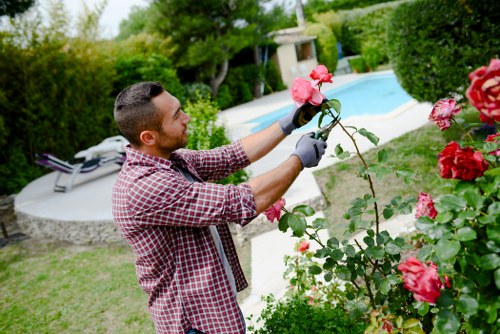 This health and safety policy sets out the standards required for all landscaping Blackfriars activities, including site preparation, planting, turfing, pruning, paving support, and routine grounds maintenance. Our aim is to protect employees, contractors, clients, visitors, and members of the public from avoidable harm while maintaining high-quality outdoor environments. We recognise that landscaping work can involve manual handling, sharp tools, machinery, changing weather, uneven ground, traffic interfaces, and exposure to dust, noise, and chemicals. For that reason, safety is treated as a core part of every task, not an afterthought.
We are committed to identifying hazards early, assessing risk properly, and putting suitable control measures in place before work begins. This policy applies to all operational activities carried out under our management, whether work is performed on private gardens, commercial premises, shared outdoor spaces, or public-facing sites. Every team member is expected to follow safe systems of work, use equipment correctly, and report concerns immediately. The success of our Blackfriars landscaping operations depends on consistent attention to safety, planning, and professional judgement.
Responsibility for safety is shared across the organisation. Managers must provide appropriate instruction, supervision, and resources, while workers must take reasonable care for themselves and others. All plant, tools, and equipment used in landscaping Blackfriars services must be maintained in good condition and used only by trained personnel. Where specialist tasks are required, such as stump removal, working at height, or handling powered machinery, competence must be confirmed before work starts. Preventive action is always preferred over reactive correction.
Risk assessments are completed for each job where hazards may arise. These assessments consider ground conditions, access routes, buried services, weather, lifting requirements, vegetation management, and the presence of vulnerable persons nearby. Control measures may include barriers, signage, PPE, exclusion zones, and revised work methods. For landscaping Blackfriars projects, planning must also account for safe storage of materials, secure transport of tools, and orderly work areas to reduce slips, trips, and falls.
Personal protective equipment is provided where required and must be worn correctly. Depending on the task, this may include gloves, protective eyewear, hearing protection, safety footwear, high-visibility clothing, or respiratory protection. PPE is the final layer of defence and does not replace safe behaviour or proper training. Workers involved in Blackfriars landscaping tasks must inspect PPE before use and replace damaged items promptly. Cleanliness, comfort, and fit are important because poorly maintained PPE can create new hazards.
 Safe handling of tools and machinery is essential. Cutting equipment, hedge trimmers, mowers, strimmers, and powered digging tools must be checked before use, operated according to manufacturer instructions, and isolated when not in use. Fuel, batteries, oils, and other substances must be stored and handled responsibly to prevent fire, leaks, or contamination. Our landscaping Blackfriars policy requires regular maintenance schedules and clear reporting of defects so equipment remains reliable and safe throughout use.
Manual handling presents one of the most common risks in landscaping work. Soil bags, paving materials, timber, plants, and waste must be lifted, moved, or carried using suitable techniques and, where possible, mechanical aids. Loads should be reduced, routes kept clear, and teamwork used for heavier items. Workers involved in landscaping Blackfriars tasks must never compromise safety to save time. If a load is awkward, too heavy, or likely to cause strain, the task must be reassessed immediately.
Weather conditions can significantly affect safe working. Heat, cold, rain, frost, wind, and reduced visibility all introduce additional risk. Work should be adapted to conditions, with breaks, hydration, warm clothing, or temporary pauses introduced as needed. Surfaces may become slippery, unstable, or waterlogged, so site access should be reviewed regularly. This is particularly important in Blackfriars landscaping operations where work may continue across varied sites in a single day.
Environmental protection is also part of our safety commitment. Waste, cuttings, fuels, and chemicals must be managed to prevent pollution and protect surrounding areas. Native planting, soil protection, and responsible disposal practices support safer, cleaner workspaces. 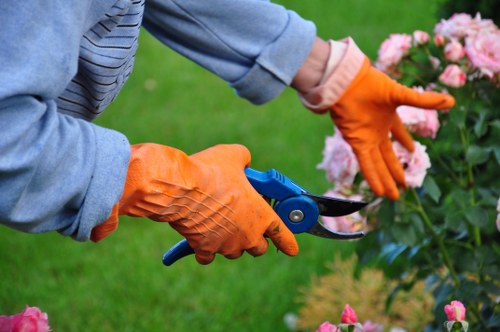 In addition, all workers must be aware of hazards linked to dust, allergens, thorns, mould, and insects. Appropriate precautions should be taken to reduce exposure and ensure landscaping Blackfriars services remain both safe and sustainable.
Training and supervision are fundamental to the effectiveness of this policy. New starters must receive induction covering emergency procedures, PPE, incident reporting, tool safety, and site conduct. Refresher training should be provided whenever methods change or new equipment is introduced. Supervisors must monitor work quality and safety performance, correcting unsafe behaviour quickly. In landscaping Blackfriars operations, a well-trained team is the best safeguard against avoidable incidents.
Emergency arrangements must be clear and understood by everyone. First aid provisions should be suitable for the size and type of work being undertaken, and workers must know how to respond to injuries, fire, spillages, or severe weather events. Access routes for emergency services should remain unobstructed. Any incident, near miss, or hazard must be recorded and investigated so lessons can be learned. Continuous improvement is essential to sustaining a strong safety culture.
We also expect professional conduct at all times. Alcohol, drugs, fatigue, aggression, and distraction can seriously undermine safe working and will not be tolerated. Mobile devices must not be used where they interfere with concentration or create distraction near equipment or moving plant. Clear communication is especially important when several teams are operating in the same area. For landscaping Blackfriars projects, courtesy and coordination help protect everyone on site.
 Before the close of each shift, work areas must be left tidy and secure. Tools should be cleaned, stored safely, and checked for defects. Waste should be removed, temporary barriers reviewed, and any unfinished hazards made safe. This final check is a simple but important control measure that reduces risk after work has ended. It also helps maintain the reputation and reliability of Blackfriars landscaping services by ensuring every site is left in a safe condition.
Management will review this policy periodically to ensure it remains effective, suitable, and aligned with the hazards associated with landscaping activity. Changes in equipment, staffing, seasonal conditions, or working methods may require updates to procedures and training. Workers are encouraged to raise concerns and suggest improvements, as practical knowledge from the field is vital to maintaining safe standards. A proactive approach supports consistent performance across all landscaping Blackfriars operations.
 Ultimately, this policy reflects our commitment to protecting people, property, and the environment while delivering professional outdoor services. Safety is not separate from quality; it is part of quality. By planning carefully, working responsibly, and responding promptly to risk, we create safer outcomes for every landscaping Blackfriars project. All team members are expected to uphold these principles and contribute to a workplace where safe practice is the normal standard.